The Maison
Exceptional materials
One chosen fibre, and the craft of working it.
Parea Sons has worked cotton, silk and linen for twenty years. The brand behind this site has given up the first two: it makes linen-knit garments, designed and made in Italy. It is not a convenient specialism — it follows from the way linen behaves on someone who stays outdoors.
Where it comes from
A plant that asks for no water
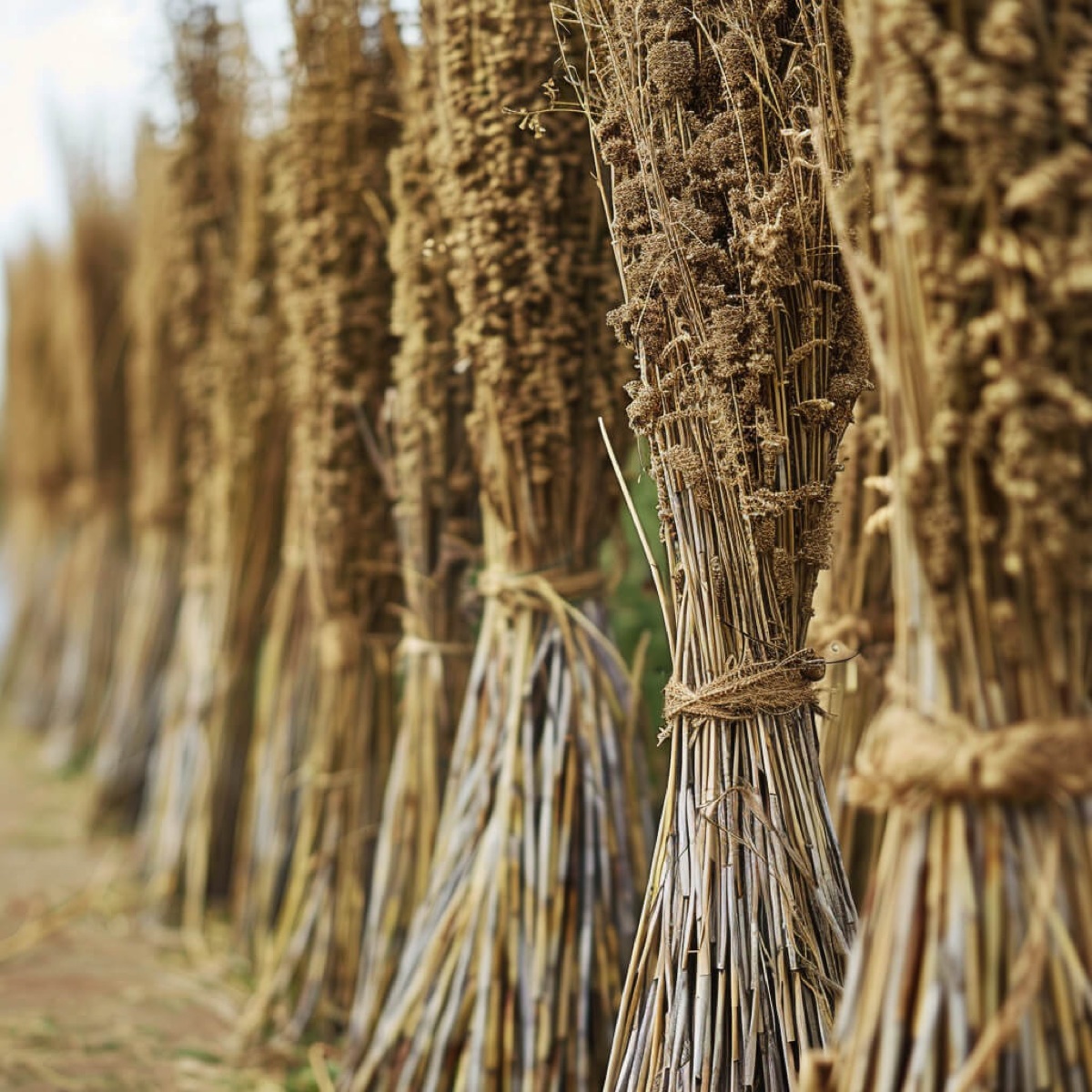
European flax grows on the rain that falls, with no irrigation, and in a hundred days. Almost nothing of the plant is wasted: the fibre becomes yarn, the seeds oil, the woody part everything else.
It is pulled, not cut
Flax is harvested by pulling it up with the root, because the fibre runs the whole length of the stem and cutting it would mean shortening it. That is the first reason a linen thread is long, and a long thread is a strong one.
Then it is left in the field
Laid on the ground for a few weeks, the stem is left to the dew until the fibre comes away from the wood. This is the step that decides the colour of raw linen, and nobody governs it entirely: it depends on the summer there has been.
We buy the yarn
Up to here the craft belongs to those who grow and those who spin. Parea Sons begins at the yarn, and from there the garment never leaves the house: how it is worked is in the other room.
The yarn
Linen knitted, not woven
The linen everyone knows is woven: the shirt, the trousers, the tablecloth. Here it is knitted, and that changes everything — the give, the weight, the way it falls.
It gives, and comes back
Woven linen does not stretch; knitted linen does, because the yarn is bent into loops and it is the loops that work. A garment like this follows the person wearing it instead of fighting them.
It weighs less than it looks
For the same yarn, a knit holds its shape with less matter than a woven cloth. That is why a jacket from this wardrobe weighs what a knit weighs — because it is one.
It creases, and that is right
The crease is how this fibre says it is linen. A linen that does not crease is a linen treated not to, and it has lost its breathability along the way.
It improves with washing
It is one of the few fibres that soften rather than wear out. A linen garment at its tenth wash is finer than on the first day — if it was well made.
The yarns
Four, and no more
Every garment in the wardrobe exists in these four. They are colours that look well with salt and dust on them, and that after three seasons are still themselves.
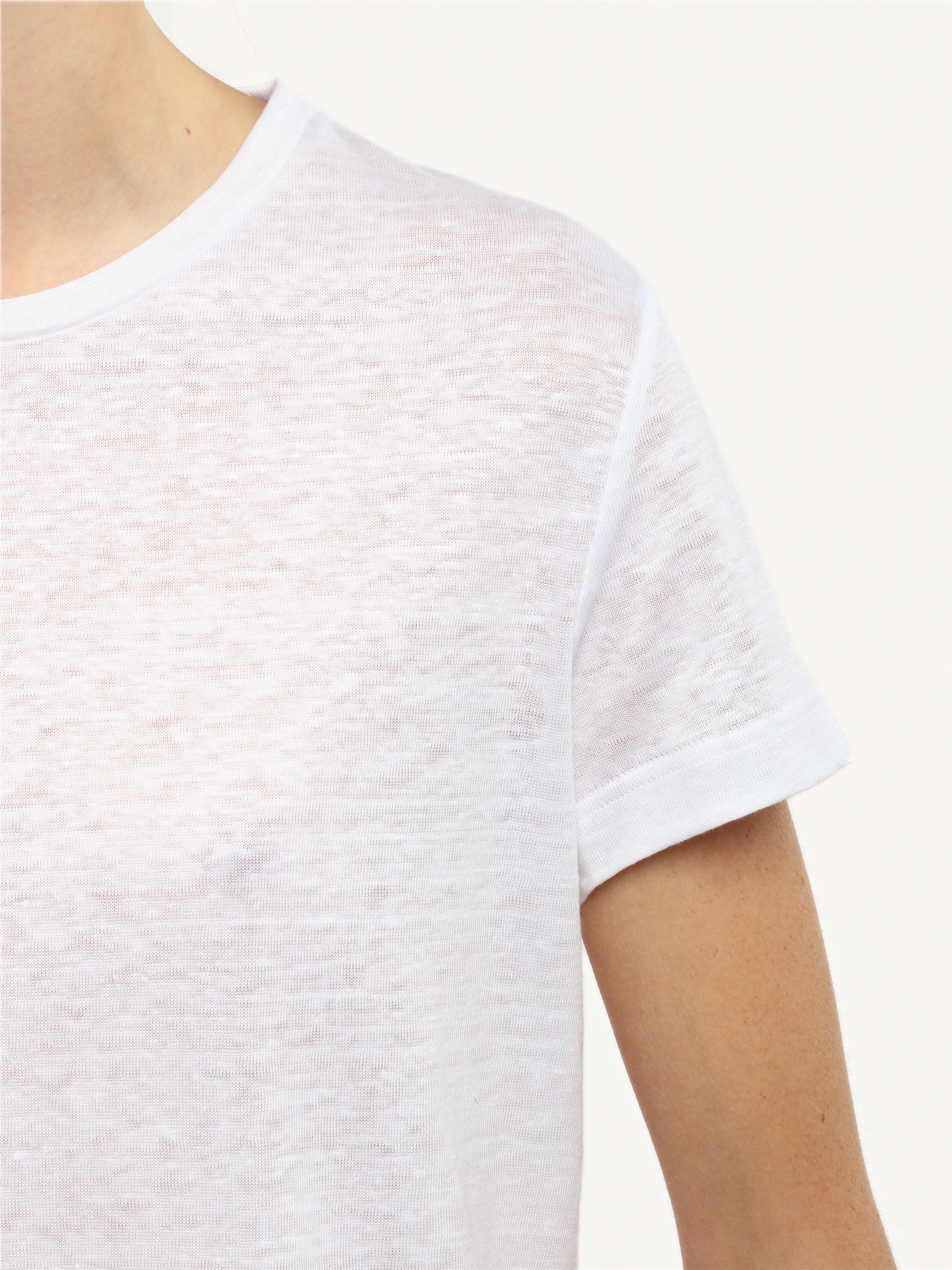
Optic White
#F4F2ED
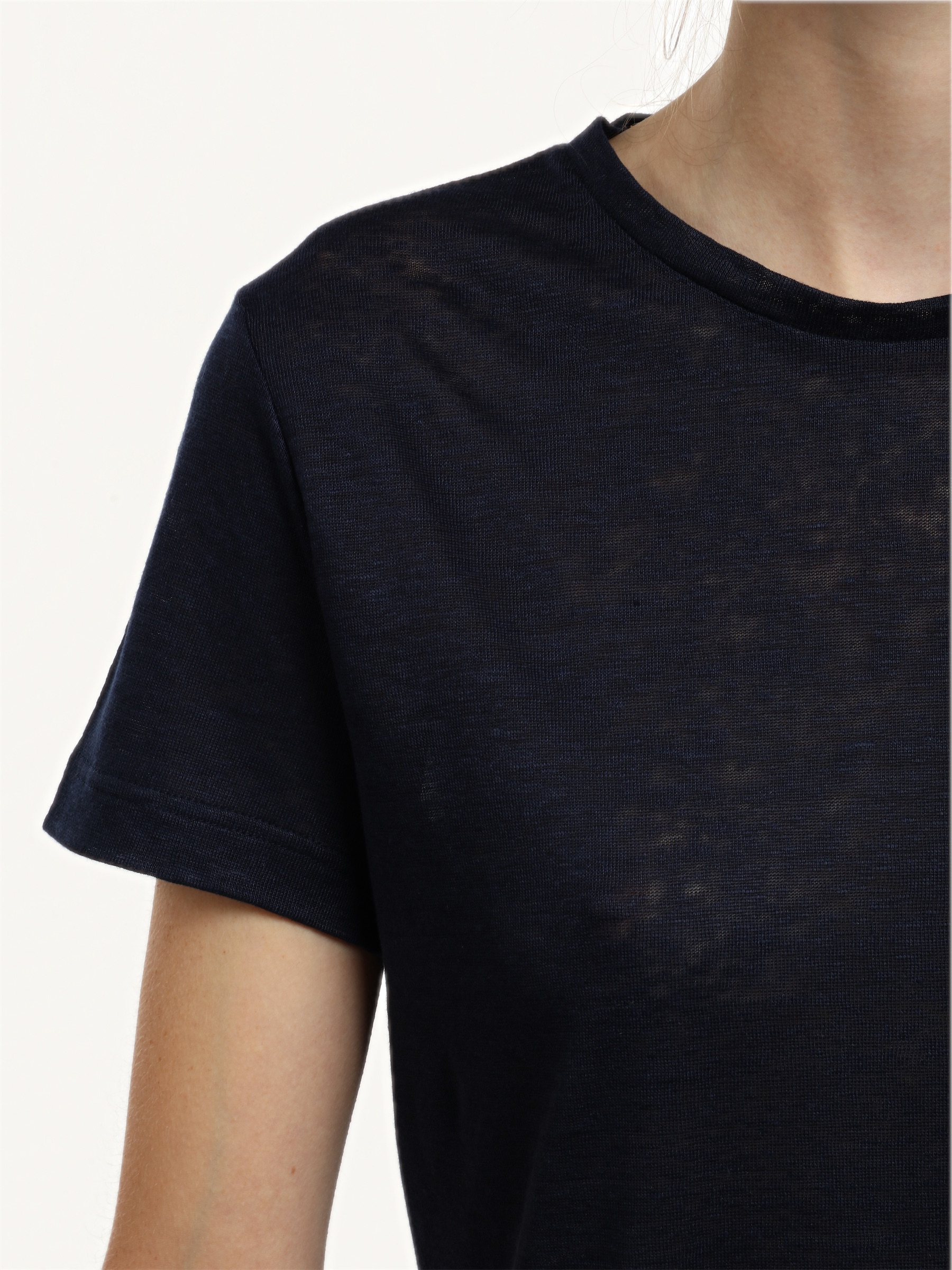
Navy Blue
#2E3D52
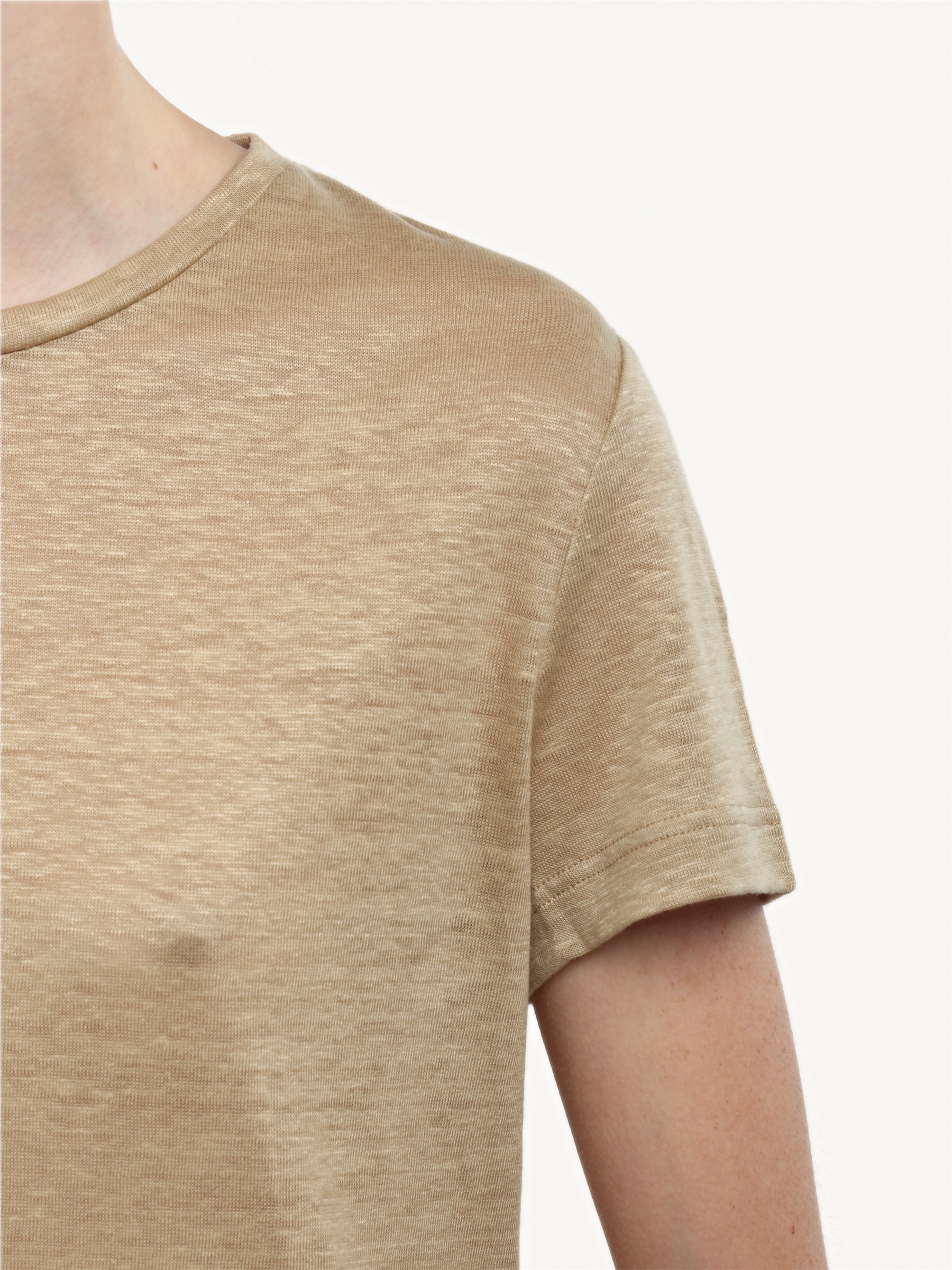
Sand Beige
#C9B79B
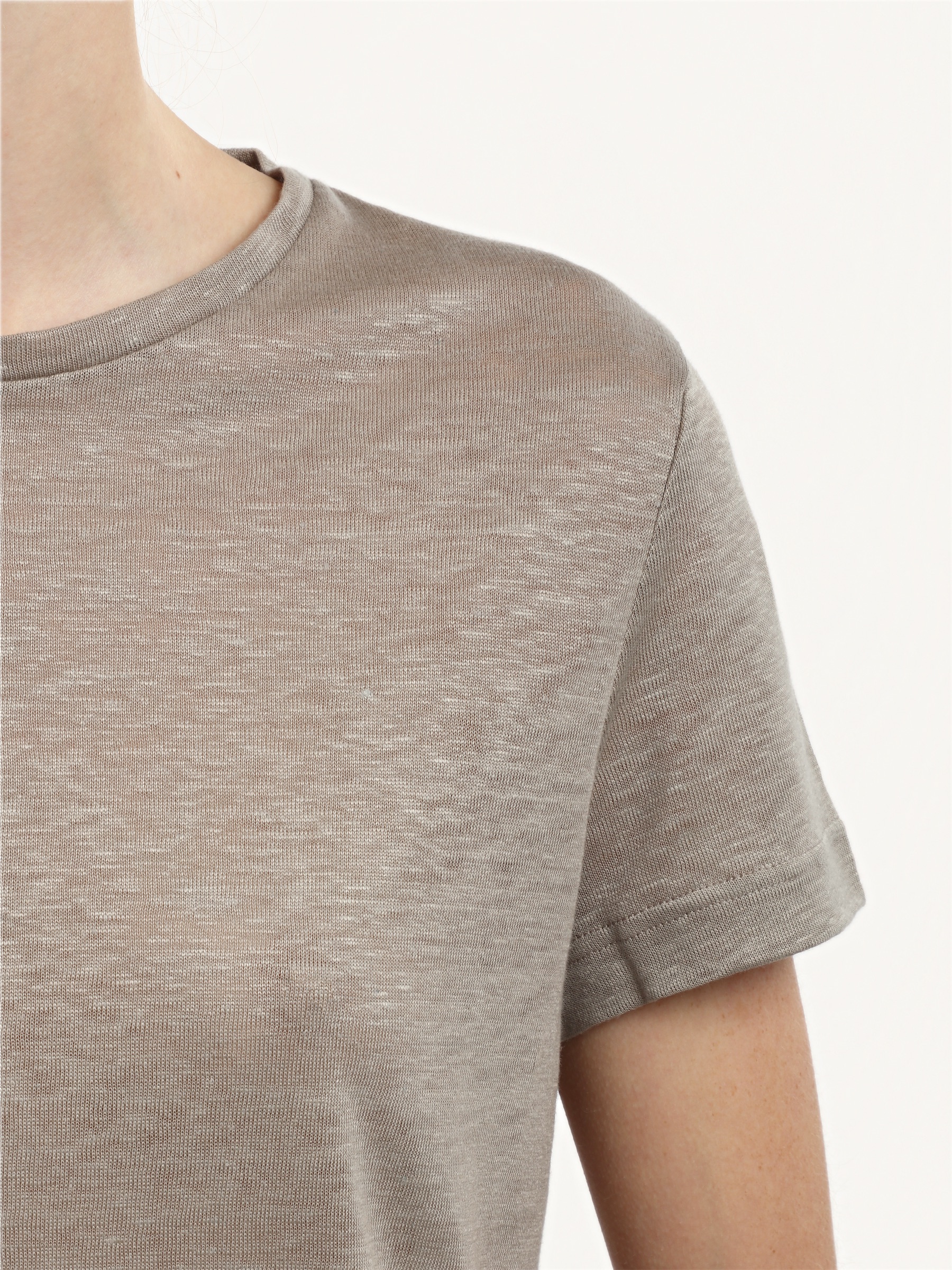
Elegant Taupe
#A79C90
On navy the slub of the yarn shows more than on any other colour: they are the irregularities of the fibre, and they are not a flaw — they are the proof that the thread was not forced.
Touching it
Linen is judged in the hand
One can write pages about a fibre, and a square of cloth between the fingers is still more use. In the wardrobe every product page has the close-up of its yarn; to clubs, resorts and shipyards considering a supply we send the box, which is the same thing with no photographs in between.
Parea Sons Luxury Garments
Linen, and nothing else.
The wardrobe comes in two collections; for a supply to a club or a resort you write to us, and a person answers.
[email protected] Request information
Back to the maison